
 020 3744 3778
Master your garden with these 9 essential beginner tips
Posted on 18/06/2025
Master Your Garden With These 9 Essential Beginner Tips
Dreaming of lush blooms, fresh vegetables, and a stunning outdoor escape? Starting a garden might seem daunting, but with the right knowledge, anyone can transform their space into a thriving green haven. Whether you have a sprawling yard or a humble balcony, our comprehensive guide delivers the best gardening tips for beginners. Ready to nurture your green thumb? Dive into these 9 essential tips for mastering your garden and enjoy growing success!
1. Assess Your Space and Sunlight
Before you plant anything, take a close look at your gardening area. The key to garden mastery starts with understanding your environment.
- Observe Sun Patterns: Track the sun's movement and determine which spots get full sun (6+ hours), partial shade, or mostly shade throughout the day.
- Soil Type: Check whether your soil is sandy, clay, silt, or loamy. Each type impacts drainage and plant health.
- Size Matters: Choose a manageable space for your first attempt--smaller is often better for beginners. Pots or raised beds are ideal for maximizing limited areas.
Pro Tip: Map your garden's sunlight for at least a week before deciding where to plant. Many beginner gardeners underestimate shade, leading to disappointing results.
2. Select the Right Plants
Picking the right plants for your climate and skill level is crucial to successful gardening. Resist the urge to buy every beautiful flower at the nursery--start with reliable favorites:
- Native Plants: These thrive in your local conditions and need less maintenance.
- Easy-Grow Vegetables: Radishes, lettuces, cherry tomatoes, and zucchini are famous for their simplicity and fast yields.
- Herbs: Basil, mint, rosemary, and chives are forgiving and useful for the kitchen.
- Low-Maintenance Flowers: Marigolds, sunflowers, and zinnias brighten your garden without strenuous upkeep.
When learning to master your garden, it's best to walk before you run!
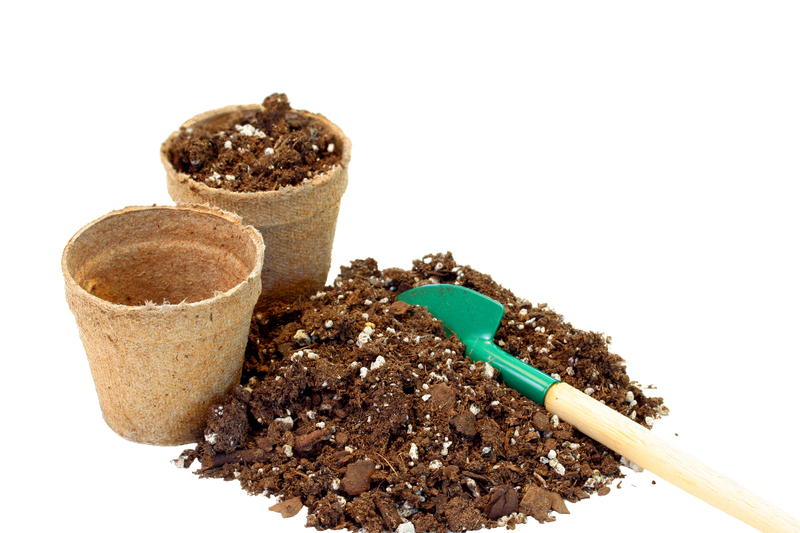
3. Prepare and Improve Your Soil
The foundation of every thriving garden is healthy, nutrient-rich soil. Give your plants the best chance by:
- Testing: You can purchase an affordable kit to evaluate your soil's pH and nutrient levels.
- Amending: Add compost, well-rotted manure, or organic matter to provide fertility and improve texture.
- Drainage: Avoid overwatered or soggy spots; raised beds or mixing in sand can help if your soil drains poorly.
Did you know? Plants grown in healthy, well-fed soil are more disease-resistant and productive.
4. Plan Your Plant Layout
Resist the temptation to plant randomly. Good garden planning ensures every plant gets the space, sun, and support it needs. Consider:
- Spacing: Read plant tags carefully. Overcrowding hinders growth and invites pests.
- Height: Place taller plants at the back or center and low-growing varieties in front for easy access and best sunlight exposure.
- Companion Planting: Certain plant pairs like tomatoes and basil benefit each other, while others should be separated.
Use a garden journal or sketch to keep track of your plans--organization pays off every season!
5. Water the Right Way
Watering may seem simple, but proper technique is a hallmark of garden experts. Here's how to get it right:
- Morning Watering: Water early to reduce evaporation and prevent fungal issues.
- Deep and Infrequent: Give plants a thorough soaking a few times a week rather than a daily sprinkle.
- Target the Roots: Avoid wetting leaves--this minimizes disease spread.
- Mulch: A layer of mulch conserves moisture and keeps roots cool.
Get a feel for your soil's hydration by sticking your finger an inch deep--if it's dry, it's time to water.
6. Feed for Success
Even with rich soil, most gardens benefit from an extra nutritional boost. Consider these feeding tips for beginners:
- Organic Fertilizers: Compost, seaweed extract, or fish emulsion feed plants gently and safely.
- Slow Release Options: Granular fertilizers offer consistent nourishment over time.
- Avoid Overfeeding: More is not always better; follow package recommendations closely.
Insider Advice: Focus on balanced, all-purpose fertilizers for your first garden before diving into specialty blends.
7. Stay on Top of Weeds and Pests
Controlling unwanted guests is essential for any beginner seeking to master their garden:
- Mulching: Besides conserving water, mulch suppresses weed growth.
- Hand Weeding: Pull weeds early before they go to seed--little and often prevents bigger headaches later.
- Pest Patrol: Inspect leaves, stems, and soil often for signs of insects or disease.
- Encourage Beneficial Insects: Ladybugs and bees are a gardener's best friends.
Try natural remedies first, such as neem oil or soapy water, before resorting to chemical pesticides.
8. Learn Pruning and Deadheading
Regular maintenance not only shapes your plants but also boosts production. For beginners, these simple tips make a big impact:
- Pruning: Remove damaged or overcrowded branches to encourage growth and airflow.
- Deadheading: Snip off spent flowers to trigger new blooms on species like roses, daisies, and petunias.
- Clean Tools: Sterilize after use to avoid spreading disease between plants.
Remember: Sharp, clean pruners make every job easier and more effective!
9. Keep Growing Your Knowledge
Perhaps the most important tip for anyone wanting to master their garden is a commitment to learning. Gardening is a journey, and no one gets everything right the first time. To keep improving:
- Read Books and Blogs: There's a wealth of accessible, expert advice online.
- Join Local Groups: Community gardens, clubs, and online forums are full of experience and support.
- Experiment: Try new plants and methods each season--many discoveries start with curiosity!
- Keep Notes: Record what works and what doesn't; your own experience is invaluable.

Frequently Asked Questions for New Gardeners
What are the easiest vegetables for beginners to grow?
Some of the best choices include radishes, lettuces, peas, beans, and cherry tomatoes. These crops germinate quickly and provide almost instant gratification.
How often should I water my garden?
Aim for deep watering two to three times a week, adjusting based on plant needs, weather conditions, and soil drainage. Always check moisture levels before watering.
Should I use chemical fertilizers or go organic?
Beginners often do well starting with organic fertilizers since they're gentle and improve soil health. As you gain experience, you can experiment with different methods.
Conclusion: Unlock the Joy of Gardening Success
Mastering your garden doesn't require a degree in horticulture--just a willingness to observe, learn, and get your hands dirty! By applying these 9 essential tips for beginner gardeners, you'll grow a healthier, more beautiful garden and enjoy every step of the journey.
- Remember to start small and celebrate every green shoot and new bloom.
- Success comes with patience, observation, and a dash of experimentation.
- Above all, have fun--gardening is as much therapy for the soul as it is work for the hands!
For more expert tips on how to cultivate your skills and master your garden, subscribe to our newsletter or explore the resources below. Happy gardening!
Latest Posts
Master the Art of Hedge Trimming: Shapes and Techniques
Crafting the Perfect Garden Seating Retreat
Discover the art of container gardening