
 020 3744 3778
Master the art of nurturing exquisite orchids
Posted on 04/07/2025
Are you captivated by the ethereal beauty of orchids? Orchids are among the most treasured plants in the world, enchanting indoor gardeners and flower lovers with their wide array of colors, shapes, and lasting blooms. However, mastering the art of nurturing exquisite orchids requires more than occasional watering and indirect sunlight. This comprehensive guide will empower you to grow, care for, and enjoy thriving, luxurious orchids right in your own home or garden.
Understanding Orchids: A Brief Botanical Introduction
Orchids belong to one of the largest plant families, Orchidaceae, which boasts over 25,000 species and more than 100,000 hybrids. These fascinating plants are native to almost every continent, inhabiting tropical rainforests, mountainous regions, and even semi-desert areas. Their adaptability makes them both delightful and somewhat challenging to grow.
Popular Orchid Varieties for Home Growers
- Phalaenopsis (Moth Orchid): Easy for beginners, blooms for months.
- Cattleya: Known for large, fragrant, and colorful flowers.
- Dendrobium: Versatile and available in many hues.
- Oncidium (Dancing Lady): Vigorous growers with sprays of small flowers.
- Vanda: Require more light, known for vibrant hues.
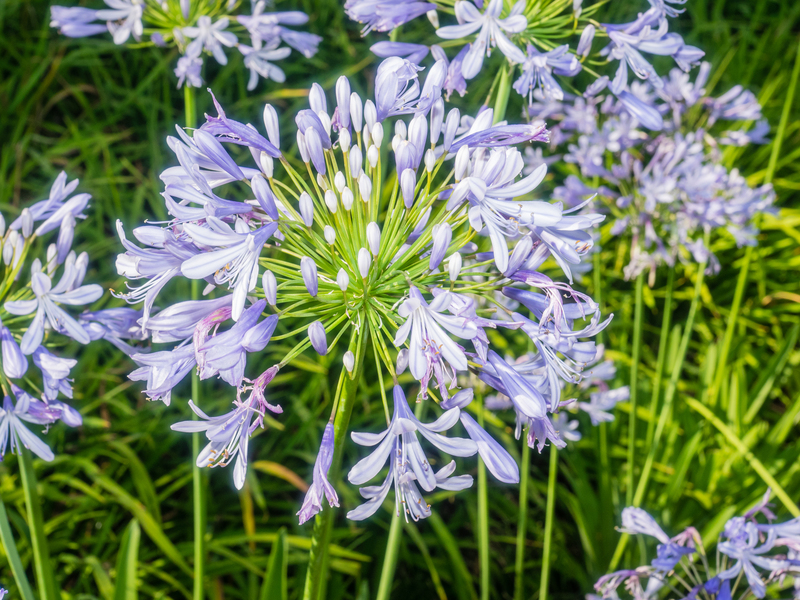
Essential Steps to Master the Art of Caring for Exquisite Orchids
While each type has its unique needs, certain fundamentals are universally important for nurturing beautiful orchids. Let's delve deeper into each aspect to help you grow stunning, healthy blooms year-round.
1. Selecting the Right Orchid for Your Space
Before you can become an orchid expert, evaluate your growing space:
- Lighting: Does your home offer bright, indirect light or filtered sun?
- Humidity: Is your environment naturally humid, or will you need to supplement
- Temperature: Can you keep your orchid away from cold drafts and heat sources?
Tip: Phalaenopsis orchids are most forgiving for beginners, while Cattleya and Vanda varieties thrive in spaces with strong light and high humidity.
2. Lighting: The Key to Lush Blooms
Orchids love light--but not all light is created equal.
- Bright, indirect sunlight is best. East or west-facing windows work well.
- Direct sun can scorch delicate leaves, especially in summer months.
- If natural light is insufficient, supplement with grow lights positioned 6-12 inches above your orchids.
Signs of improper lighting: Pale green leaves indicate too little light, while yellow streaks or scorched leaves mean the light is too strong.
3. Watering Orchids Like a Pro
Overwatering is the number one killer of orchids. Mastering the art of orchid hydration ensures healthy growth and beautiful blooms:
- Water your orchid when the growing medium is nearly dry--but not bone dry.
- Use room temperature distilled or rainwater. Tap water can contain salts and chemicals harmful to sensitive roots.
- Water early in the day to allow excess moisture to evaporate and prevent root rot.
- Never let the roots sit in standing water.
Pro Tip: The weight of the pot can help you judge when to water--lighter pots mean the medium is dry.
4. Humidity: Creating a Tropical Paradise
Most exquisite orchids hail from the humid tropics. Maintain humidity levels between 40% and 70% for optimal growth:
- Place a shallow tray filled with water and pebbles beneath your orchid's pot.
- Group plants together to naturally increase humidity.
- Use a humidifier during drier months, especially in winter.
- Mist leaves in the morning--never at night to avoid fungal issues.
5. Choosing the Perfect Growing Medium
Unlike typical houseplants, orchids require special media that allows air to circulate around the roots:
- Bark mixes (fir, pine): Great for most epiphytic orchids.
- Sphagnum moss: Retains moisture but must be changed frequently to prevent root rot.
- Charcoal, perlite, or coconut husk chips: Improve drainage and aeration.
Replace or refresh your orchid medium every 1-2 years to maintain healthy roots.
6. Feeding Your Orchids: Fertilization Know-How
To nurture exquisite orchid blooms, you must provide the right nutrients:
- Use a balanced orchid fertilizer (20-20-20) diluted to half or quarter strength.
- Feed every two weeks during active growth (spring-summer); reduce to monthly in autumn and winter.
- Flush the medium with plain water monthly to remove any fertilizer residue.
Too much fertilizer can harm delicate roots, so always follow the saying: "Weakly, weekly".
7. Repotting: Giving Your Orchid Room to Breathe
Knowing when and how to repot is essential in mastering orchid care:
- Repot every 1-3 years or when the medium breaks down.
- Repot after blooming, when new roots or leaves begin to grow.
- Trim dead or mushy roots, and choose a pot only slightly larger than the root mass.
8. Temperature: Precise Control for Vibrant Blooms
Most household orchids flourish at daytime temperatures of 65-80?F (18-27?C) and nighttime lows of 60-65?F (15-18?C).
- A 10-15?F (5-8?C) drop between day and night promotes blooming in many species, especially Phalaenopsis.
- Avoid sudden temperature swings and keep orchids away from heat vents or cold drafts.
9. Pruning and Deadheading for Healthier Orchids
Pruning helps manage plant shape, removes disease, and encourages future flowers:
- Cut dead or yellowing leaves at the base with sterile scissors.
- After blooming, trim flower spikes just above the node from which the first flower appeared.
- For Phalaenopsis, leaving the spike may encourage a second bloom from a side shoot.
10. Pest and Disease Control: Protecting Your Treasured Orchids
Even with perfect care, orchids can fall prey to pests and diseases:
- Aphids, scale, and mealybugs: Wipe leaves with a soft, damp cloth and treat with insecticidal soap.
- Spider mites: Increase humidity and use a miticide if needed.
- Root and crown rot: Avoid overwatering and ensure excellent drainage.
- Fungal infections: Remove affected parts and ensure good air circulation.
Prevention is better than cure--monitor your plants closely and act quickly at the first sign of trouble.
Special Techniques for Nurturing Rare and Exquisite Orchids
Advanced Methods for Orchid Enthusiasts
If you're ready to take your orchid care to the next level, explore these techniques:
- Water Culture: Growing orchids with roots suspended in water for increased aeration.
- Mounted Orchids: Attach orchids to wood or cork for natural aesthetics, mimicking rainforest conditions.
- Hybridization: Cross-pollinate to create your own unique orchid varieties.
These approaches demand greater skill but reward you with rare and visually stunning specimens.
Encouraging Reblooming in Orchids
One of the joys of orchid mastery is coaxing your plant to rebloom again and again:
- Observe a period of rest after blooming--reduce watering and fertilizer.
- Provide a slight temperature drop at night to initiate spikes.
- Maintain optimal light and humidity levels.
- Be patient--some orchids can take months to rebloom, but the rewards are spectacular.
Common Orchid Care Mistakes to Avoid
- Overwatering or repotting too frequently.
- Placing orchids in direct, scorching sunlight.
- Ignoring signs of pests or disease.
- Neglecting to feed during the growth period.
- Using the wrong potting medium.
Avoiding these pitfalls will set you firmly on the path to nurturing truly magnificent orchids.

Frequently Asked Questions About Mastering Orchid Care
1. How often should I water my orchid?
Water only when the medium is nearly dry; generally, this means once every 7-10 days for most home environments.
2. Why are my orchid's leaves wrinkling?
Wrinkling leaves may signal underwatering, root issues, or loss of humidity. Inspect roots and adjust your care regime accordingly.
3. My orchid won't rebloom--what can I do?
Check that your orchid receives a day-night temperature drop, proper light, and rest after flowering. Repotting may also revitalize an older plant.
Unlock the Joy of Exquisite Orchid Mastery
With patience, practice, and attentive care, anyone can learn the art of nurturing spectacular orchids. Whether you're just starting out or hoping to expand your revered collection, let the mesmerizing world of orchids inspire you. Each lush leaf and intricate bloom will serve as a living testament to your green thumb.
Now that you know how to master the art of nurturing exquisite orchids, begin your journey with confidence. Your home--and your heart--will blossom with every flourishing petal. Happy growing!
Latest Posts
Master the Art of Hedge Trimming: Shapes and Techniques
Crafting the Perfect Garden Seating Retreat
Discover the art of container gardening