Insider tips for Noak Hill Road garden maintenance by gardeners
If you live or work near Noak Hill Road, you already know a garden can change fast. One wet week, a stretch of wind, a bit of neglected edging, and suddenly the whole space feels harder to manage than it should. The good news? Insider tips for Noak Hill Road garden maintenance by gardeners are usually less about fancy tricks and more about timing, local knowledge, and doing the right jobs before they become annoying jobs. In this guide, we'll break down what experienced gardeners actually look for, how good maintenance works in practice, and what you can do to keep everything tidy without wasting time or money.
We'll also cover the practical side: lawns, hedges, borders, patios, seasonal tasks, and the small mistakes that quietly cost people the most. To be fair, most gardens do not need a dramatic overhaul. They need consistency, a sensible plan, and a bit of attention in the right places.
Table of Contents
- Why Insider tips for Noak Hill Road garden maintenance by gardeners Matters
- How Insider tips for Noak Hill Road garden maintenance by gardeners Works
- Key Benefits and Practical Advantages
- Who This Is For and When It Makes Sense
- Step-by-Step Guidance
- Expert Tips for Better Results
- Common Mistakes to Avoid
- Tools, Resources and Recommendations
- Law, Compliance, Standards, or Best Practice
- Options, Methods, or Comparison Table
- Case Study or Real-World Example
- Practical Checklist
- Conclusion
- Frequently Asked Questions
Why Insider tips for Noak Hill Road garden maintenance by gardeners Matters
Good garden maintenance is not just about appearance, although that matters more than people admit. A well-kept garden feels calmer, drains better, is easier to use, and usually costs less to manage over the long term. Around Noak Hill Road, where gardens may face everything from shaded corners to exposed spots and seasonal leaf fall, those small maintenance decisions really add up.
Experienced gardeners tend to notice things homeowners miss at first glance. A lawn that looks "a bit tired" may actually be compacted. A hedge that seems fine may be holding too much moisture in its base. A border that is overrun with weeds may have bare soil that dries out too quickly. These are the kinds of details that turn ordinary upkeep into proper garden care.
There's also the local angle. Gardens near busy roads often collect more dust, debris, and roadside grime on hard surfaces. Some spaces get buffeted by gusts, which can shred soft growth and dry pots out faster than expected. If you want a garden that stays pleasant and manageable, maintenance has to be planned around the conditions, not just the calendar.
For many households, the real value is peace of mind. You know the lawn will not run away from you, the shrubs won't block paths, and the patio won't become slippery and dull-looking. That sounds simple. It is simple. But only if it is done regularly.
How Insider tips for Noak Hill Road garden maintenance by gardeners Works
At its core, professional garden maintenance is a repeatable process: inspect, prioritise, clean, cut, feed, and tidy. Good gardeners do not start with a mower every time. They start by reading the garden. What's growing too fast? What's stressed? What's becoming a safety issue? What is cosmetic, and what is urgent?
In a typical maintenance visit, the first pass is often visual. A gardener checks the lawn condition, edges, borders, hedging, weeds, paving, decked areas, and any signs of pests, disease, or storm damage. Then comes the practical work: mowing or strimming, hedge trimming, deadheading, light pruning, weeding, sweeping, clearing, and sometimes feeding or mulching. If needed, they'll suggest follow-up work such as tree surgery, lawn care, or even landscaping if the garden's structure is holding everything back.
The insider part is knowing that the order matters. For example, you do not want to trim hedges before checking for nesting birds in season, and you do not want to cut wet grass too short just because the mower is already out. Likewise, a quick sweep of a patio after leaf clearance makes the whole space look cleaner than a rushed cut ever could. Tiny thing, but true.
Maintenance also works best when it is cyclical. Spring is not the same as late summer. Winter prep is not the same as a June tidy-up. Gardens on Noak Hill Road will usually benefit most from a plan that adapts through the year rather than one fixed routine.
Key Benefits and Practical Advantages
There are a few reasons people keep coming back to regular garden maintenance, and not all of them are obvious at first.
- It keeps the garden usable. Paths stay clear, lawns stay walkable, and seating areas remain inviting.
- It reduces bigger repair jobs. A hedge trimmed early is easier than a heavy cut back later.
- It supports healthier plants. Regular checks spot stress, pests, and disease before they spread.
- It improves drainage and safety. Clearing moss, leaves, and debris reduces slipping and waterlogging risks.
- It protects kerb appeal. Whether you're staying put or planning to sell, the garden sets the tone.
There is also a practical money angle. Consistent maintenance often prevents those "everything needs doing at once" moments that lead to expensive catch-up work. A garden left alone for too long can need hard pruning, turf repair, weed control, and patio cleaning all in one go. That is rarely fun for anyone.
Homeowners often tell us the quieter benefit is mental, actually. A tidy garden is easier to enjoy. You notice the flowers again. The space feels finished. And on a mild evening, when the light sits low and the birds are still chattering, it feels a bit like you've won something back.
If you're planning improvements as well as routine upkeep, it can help to pair maintenance with related services such as patio cleaning, lawn mowing, or even fencing if boundaries are looking worn.
Who This Is For and When It Makes Sense
This kind of maintenance is for more people than you might think. It is not just for large gardens or high-end homes with ornamental borders. In fact, smaller gardens can become messy faster because every neglected area is more visible.
- Busy homeowners who want a tidy outdoor space without spending weekends catching up.
- Landlords and property managers who need gardens to stay presentable between tenancies or inspections.
- Families who need safer, more usable outdoor areas for children and pets.
- Older homeowners who may prefer reliable support with heavier or repetitive tasks.
- New gardeners who want guidance before they start cutting, feeding, or planting at random.
It also makes sense after any of the following: a long holiday, a stormy spell, a cold snap, a period of heavy growth in spring, or a few weeks where life simply got in the way. Let's face it, gardens do not wait politely.
If the space has been left for a while, the first step is often restoration rather than routine tidying. In that case, a more structured reset may be needed, and a guide such as reviving an abandoned garden can be a useful companion read.
Step-by-Step Guidance
Here is a straightforward way to approach garden maintenance on or around Noak Hill Road. It's practical, repeatable, and easy to adapt.
- Start with a full walk-through. Check the lawn, beds, hedges, paths, fences, shed areas, and any hidden corners. Look for weeds, overgrowth, broken branches, standing water, and damaged edges.
- Clear the obvious debris first. Pick up branches, blown leaves, litter, and cuttings. This makes everything else easier and safer.
- Tackle lawns before borders. Mow, edge, and trim the grass while it is still easy to manage. If the lawn is patchy or tired, note that for follow-up.
- Trim hedges and shrubs sensibly. Keep shapes neat without taking too much off at once. Overcutting can stress the plant and leave ugly gaps.
- Weed thoroughly. Remove weeds from roots where possible, especially in borders and paving cracks.
- Refresh the beds. Add mulch, compost, or soil improver where needed to keep moisture in and reduce weed growth.
- Clean hard surfaces. Sweep patios, clear moss, and deal with slippery patches before they become a nuisance.
- Inspect for damage. Check posts, panels, path edges, and any tree limbs or climbing plants encroaching where they shouldn't.
- Finish with a second look. This is the step people skip. Stand back. If the garden reads as balanced and calm from the doorway, you've probably done it right.
A good gardener often works in layers rather than tackling everything with brute force. The garden ends up better, and the job feels less overwhelming too.
Expert Tips for Better Results
Now for the insider bit. These are the kinds of habits that separate a decent tidy-up from maintenance that actually lasts.
1. Cut less, more often
Frequent light maintenance usually gives better results than infrequent hard work. A lawn kept on top of looks cleaner, and hedges respond more evenly. It also reduces the risk of shocking plants.
2. Work with the weather, not against it
After heavy rain, avoid mowing or compacting soil. In windy spells, secure light clippings and be careful with pruning. If strong gusts are common in your garden, it helps to plan around them; there are some useful ideas in this guide to gusty garden conditions.
3. Keep the base of hedges clear
People often trim the top and forget the bottom. But the base tells you a lot. If it is thick with weeds or damp debris, airflow suffers and growth can become patchy. That's where trouble starts, usually quietly.
4. Feed the soil, not just the plants
Healthy borders depend on decent soil structure. Organic matter, mulch, and compost all help. If you like the idea of improving soil naturally, turning organic waste into fertile soil is well worth a look.
5. Design for the way you actually live
A garden should suit your household. If you have dogs, children, limited time, or prefer a calm retreat, maintenance should support that. For example, a practical family garden may need tougher planting and clearer routes, while a quiet space could benefit from softer structure and seating. If that's your situation, these dog-friendly garden ideas and garden ideas for kids may spark a few useful thoughts.
6. Don't ignore the small edges
Edges around paths, patios, and beds matter more than most people expect. A crisp edge can make a garden feel finished even before the planting is perfect. It is a small detail, but it changes the whole look.
And one slightly boring truth: the best maintenance is often the maintenance you barely notice. That's a good thing.
Common Mistakes to Avoid
Most garden problems don't begin with one big disaster. They begin with a handful of small habits that seem harmless at the time.
- Cutting too much at once. This is especially common with hedges and shrubs.
- Ignoring the weather. Wet lawns, frozen plants, and windy conditions need different approaches.
- Leaving weeds until they seed. Then you're not weeding, you're fundraising for next season's weeds.
- Using the wrong tools. Dull blades and blunt shears make a mess and tire you out.
- Forgetting drainage. A tidy surface is still a problem if water pools underneath.
- Cleaning hard landscaping too aggressively. Some surfaces need care, not brute force.
- Mixing cosmetic tidy-ups with structural work. A hedge can look neat while the fence behind it is failing.
One of the bigger mistakes is assuming every garden task is safe to do alone. Any work involving unstable trees, high hedges, damaged fences, or slippery access points deserves extra caution. If there's any doubt, it's better to bring in proper help than gamble on a ladder and a quick thought.
Tools, Resources and Recommendations
Good tools make maintenance smoother, but the point is not to own everything. It is to have the right basics in decent condition.
- Sharp hedge shears or trimmers for neat, controlled cuts.
- A reliable lawn mower suited to the size of the garden.
- Strong gloves for thorny shrubs, debris, and general protection.
- Fork, hand trowel, and hand fork for border work and soil care.
- Rake and stiff broom for leaves, clippings, and patios.
- Wheelbarrow or garden trug for moving waste efficiently.
- Secateurs for precise pruning and deadheading.
If you're building your kit from scratch, these essential gardening tools give a solid starting point. For bigger seasonal jobs, lawn care or hedge trimming support can save a lot of time, especially when the garden has slipped a little.
Useful services to consider alongside maintenance include general garden maintenance, hedge trimming in Noak Hill, and patio cleaning. If you need broader support, professional gardening services can help join everything up properly.
Law, Compliance, Standards, or Best Practice
For most domestic garden maintenance, the main compliance issues are not complicated, but they are worth respecting. If work affects trees, boundary structures, access routes, or shared spaces, there may be property, neighbour, or safety considerations. In practical terms, that means checking what belongs to whom, avoiding damage, and being careful near adjoining boundaries.
Bird nesting season is a good example. Hedge trimming and pruning should be done with care, and gardeners should avoid disturbing active nests. Likewise, any work that could create trip hazards, falling debris, or contact with electrical equipment should be handled with caution and the right protection.
It's also sensible to choose a gardener or company that is transparent about safety and working practice. A clear health and safety policy, sensible insurance and safety arrangements, and straightforward terms and conditions are all good signs. They may not sound glamorous, but they matter when a job gets slightly awkward, which happens more often than people think.
For added reassurance around service expectations, it helps if pricing is clear and payment is handled securely. The same goes for privacy and complaints handling. Those are boring details until they're not. Then they're very important.
Options, Methods, or Comparison Table
When people ask how to manage garden upkeep, the real question is often: should I do it myself, use a one-off visit, or book regular maintenance? Here's a simple comparison.
| Approach | Best for | Strengths | Limitations |
|---|---|---|---|
| DIY maintenance | Small jobs and confident gardeners | Flexible, lower immediate cost, hands-on control | Easy to fall behind, tool limitations, time-heavy |
| One-off tidy-up | Overgrown gardens or seasonal resets | Fast visual improvement, useful after neglect or storms | Doesn't prevent regrowth without follow-up |
| Regular maintenance plan | Busy households and long-term upkeep | Consistent results, easier budgeting, less stress | Requires ongoing scheduling and commitment |
In most cases, regular maintenance wins on practicality. A one-off tidy-up is useful, yes, but if your garden tends to change fast, you will usually get better value from a recurring approach. And if you're already planning wider changes, a combined approach with lawn care or decking services can make the whole outdoor area feel more coherent.
Case Study or Real-World Example
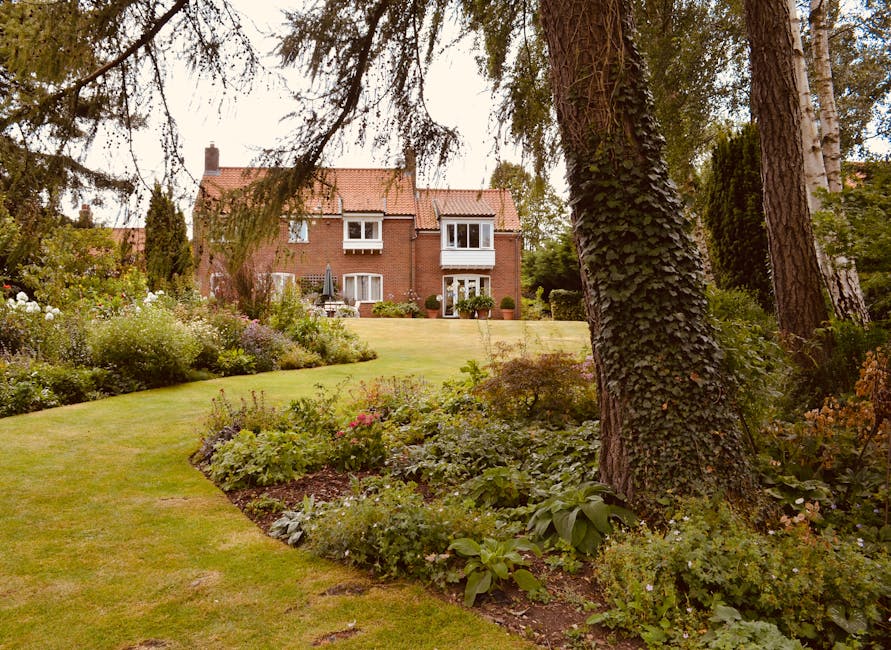
Picture a fairly typical Noak Hill Road garden in early spring: a medium lawn, a mixed hedge along one side, a few tired shrubs near the back fence, and a patio that has gone a little green after winter. Nothing dramatic. Just one of those gardens that starts to feel heavier every week you leave it.
The maintenance approach would usually be simple but structured. First, clear leaves and debris from the patio and borders. Then mow the lawn once conditions are suitable, keeping the cut sensible rather than overly short. Next, lightly trim the hedge to restore shape and remove awkward growth. After that, weed the beds, edge the grass, and add mulch where the soil looks thin or dry.
In a real-world setting, the biggest improvement is often not the plants. It's the rhythm. Once the garden has been reset, smaller visits keep it there. The owner stops feeling embarrassed when stepping outside, which sounds trivial until you've had that little "oh, not that garden again" feeling yourself. Then it's not trivial at all.
If the garden also needs a clearer structure or privacy, it may be worth looking at fast-growing hedges for privacy, or ground cover planting ideas to reduce bare soil and make maintenance simpler over time.
Practical Checklist
Use this checklist before, during, or after maintenance visits. It keeps things focused.
- Walk the garden and note urgent issues first
- Remove loose debris, fallen branches, and waste
- Mow the lawn only when conditions are suitable
- Edge paths and borders for a cleaner finish
- Trim hedges and shrubs lightly and evenly
- Check for weeds in beds, gravel, and paving cracks
- Inspect fences, posts, gates, and any damaged borders
- Sweep patios, decking, and access paths
- Look for signs of disease, pests, or stress in plants
- Add mulch or compost where the soil looks tired
- Make a note of any larger jobs for later
- Stand back and check the garden from the house view
Expert summary: the best garden maintenance is not the most dramatic work; it is the work that keeps the garden easy to live with. If it stays neat, healthy, and manageable through the seasons, you are doing it right.
Conclusion
Insider tips for Noak Hill Road garden maintenance by gardeners come down to one simple idea: stay ahead of the garden instead of chasing it. Small, regular jobs protect the bigger picture. They keep lawns usable, hedges balanced, patios safer, and borders healthier. They also stop outdoor spaces from becoming a source of low-level stress, which is something people rarely mention but absolutely feel.
Whether you need help with routine upkeep, a seasonal reset, or a more involved tidy-up, the smartest approach is usually the one that matches your garden's real condition, not just your ideal plan. A good gardener reads the space, respects the seasons, and keeps the work practical. That's the quiet advantage, really.
If you want your outdoor space to feel easier, cleaner, and more enjoyable without the constant catch-up, it may be time to talk through the options and get a plan that fits your garden properly.
Get a free quote today and see how much you can save.
Frequently Asked Questions
What does garden maintenance usually include on Noak Hill Road?
It normally includes mowing, edging, hedge trimming, weeding, light pruning, leaf clearance, patio sweeping, and general tidying. Some gardens also need lawn care, border improvement, or small repairs to hard landscaping.
How often should garden maintenance be done?
That depends on the size of the garden and how fast it grows, but many gardens benefit from regular attention every couple of weeks in the growing season. In quieter months, monthly upkeep may be enough.
Is one-off garden maintenance worth it?
Yes, especially if the garden has got away from you, after bad weather, or before a property viewing. A one-off visit gives a noticeable reset, though regular maintenance is usually better for long-term results.
What is the difference between garden maintenance and gardening services?
Garden maintenance usually focuses on ongoing care and tidying. Gardening services can be broader and may include planting, redesign, hedge work, lawn improvements, or other specialist tasks.
Can maintenance help a tired lawn recover?
Often, yes. Mowing correctly, aerating where needed, feeding, watering sensibly, and addressing compaction can make a big difference. If the lawn is badly damaged, a more targeted lawn care plan may be needed.
Do I need hedge trimming as part of regular upkeep?
In many gardens, yes. Hedges can quickly become bulky, misshapen, or overgrown if left alone. Regular trimming keeps them tidy, healthy-looking, and easier to manage.
What should I do before a gardener visits?
Clear access if possible, move delicate items, mention problem areas, and point out anything that needs special care. That saves time and avoids misunderstandings. Simple, but helpful.
Is patio cleaning really part of garden maintenance?
It can be. Patios often collect algae, moss, leaves, and dirt, especially after wet weather. A clean patio makes the whole garden feel sharper and can also improve safety underfoot.
How do I know if my garden needs more than maintenance?
If the layout feels awkward, drainage is poor, fences are failing, or the space no longer works for how you live, you may need landscaping or other larger improvements rather than routine upkeep alone.
Are there safety concerns with DIY garden maintenance?
Yes, especially with ladders, heavy tools, slippery surfaces, and tree or hedge work at height. Always take care, use the right equipment, and avoid jobs that feel unsafe or uncertain.
Can garden maintenance be tailored for pets or children?
Absolutely. You can choose tougher planting, safer surfaces, clearer paths, and low-maintenance areas that suit your household. For ideas, a dog-friendly or family-focused garden plan can make life much easier.
How do I get a quote for garden maintenance?
The easiest next step is to explain the size of the garden, the type of work needed, and how often you want it carried out. From there, a gardener can usually suggest a sensible plan and price structure.
For more on service options, trust information, or next steps, you can also review about the team, check the pricing and quotes page, or read the complaints procedure if you want to understand the process clearly. And if you need to discuss your garden directly, contact the team here.