
 020 3744 3778
Exploring How Gardening Might Be A Green Revolution
Posted on 11/09/2025
Exploring How Gardening Might Be a Green Revolution
Gardening has long been admired as both a relaxing pastime and a productive means of growing food. However, in today's world, it holds even greater importance, acting as a catalyst for sustainability, environmental stewardship, and community development. How gardening might be a green revolution isn't just a question of aesthetics or leisure; it's about transforming our relationship with nature, reducing our environmental footprint, and empowering individuals and communities. In this article, we will dive deep into the multifaceted ways that gardening could usher in a modern green revolution.

Understanding the Concept of a Green Revolution
The term Green Revolution originally referred to a set of research, development, and technology initiatives that dramatically increased agricultural production in the 20th century, particularly in developing countries. However, while this first revolution meant higher crop yields, it also brought significant environmental drawbacks, such as soil depletion and heavy reliance on chemical fertilizers and pesticides.
Today, the world seeks a more sustainable green revolution--one that harmonizes the needs of humanity with the health of our planet. This is where gardening, both at individual and community levels, comes to the forefront. Let's explore how gardening can drive a new wave of sustainability, health, and green innovation.
Gardening: The Heart of Urban Sustainability
- Reclaiming Green Spaces: Urban gardening and community gardens reclaim vacant lots, rooftops, and small backyard areas for greenery and food production, counteracting urban concrete sprawl.
- Reducing Food Miles: Growing food locally through gardening shrinks the distance from 'farm to fork.' This translates directly to reduced transportation emissions, fresher produce, and less waste.
- Promoting Biodiversity: Diverse gardens, especially those using organic and permaculture methods, support pollinators, beneficial insects, and local wildlife; a crucial defense against species decline in urban ecosystems.
- Natural Cooling: Plants provide shade and release moisture through transpiration, contributing to urban cooling and mitigating the heat island effect.
By transforming neglected spaces into vibrant edible landscapes, gardening can make cities healthier, more resilient, and more beautiful. The green revolution in cities starts with a single seed!
How Gardening Supports Ecological Balance
Soil Health and Regeneration
One of the core tenets of a green revolution through gardening is the regeneration of soil health. Healthy soils matter because they are teeming with life, storing carbon, filtering water, and providing the foundation for all terrestrial food webs.
- Building Organic Matter: Practices like composting, mulching, and no-till gardening return organic matter to the soil, increasing fertility and microbial diversity.
- Carbon Sequestration: Gardens can act as carbon sinks. The more organic material and perennial plants introduced, the more CO2 is drawn down and stored in plant biomass and soil.
- Water Retention: Rich, healthy soils absorb and hold water, reducing runoff and erosion--a crucial component in the fight against both drought and flood.
Pollinator Pathways and Biodiversity Corridors
Exploring how gardening might be a green revolution isn't complete without addressing the crucial role gardens play for pollinators. Bees, butterflies, and other insects rely on flowers and habitats often missing from highly developed areas.
- Native Plantings: Using native flowers and shrubs boosts local insect and bird populations, rejuvenating struggling pollinator communities.
- Integrated Pest Management (IPM): Gardens that avoid pesticides create safe havens for beneficial bugs and natural predators, allowing for balanced, resilient mini-ecosystems.
- Connecting Green Spaces: A patchwork of gardens can create "corridors for wildlife," linking parks, woods, and other natural features--crucial for species migration and adaptation in a warming world.
Food Security and Empowerment Through Gardening
Local Food, Global Impact
Food security remains an ever-pressing issue for millions of people worldwide. Gardening provides a direct way to grow fresh, nutritious food--right where it's needed. Community and home gardens allow even urban dwellers to become part-time farmers, reducing dependency on long supply chains susceptible to disruption.
- Access to Healthy, Fresh Produce - Especially important in low-income neighborhoods and 'food deserts.'
- Reduced Grocery Bills - Even a small garden can yield significant savings over a season.
- Knowledge Transfer - Gardening skills empower people of all ages and backgrounds, increasing self-reliance.
Importantly, local gardening also contributes to the "glocal" food movement--a blend of global and local thinking--helping to buffer communities against global food system crises. Gardening revolutionizes food security from the ground up.
Cultivating Mental and Physical Wellbeing
The act of gardening goes far beyond calories and nutrients. Tending a garden is physically active, fostering exercise, dexterity, and a sense of purpose. Furthermore, studies suggest that contact with soil microbes and green spaces can lower stress, anxiety, and depression.
- Therapeutic Gardens in hospitals and schools demonstrate measurable improvements in patient recovery times and student focus.
- Community Gardens build connection, reducing isolation while sharing knowledge and food.
- For children, hands-on gardens spark curiosity, enhance science learning, and encourage healthier eating habits.
In this way, how gardening might become a green revolution is not limited to ecology and economy, but also human wellbeing on every level.
Gardening Techniques Fueling the Modern Green Revolution
Permaculture and Regenerative Agriculture
- Permaculture: A design system aiming for permanent culture and agriculture, permaculture gardens mimic natural ecosystems, combining food plants with flowers, herbs, and trees.
- Regenerative Gardening: Focused on improving the land each year, using cover crops, crop rotation, and companion planting, these methods restore fertility and biodiversity instead of depleting resources.
Innovative Urban Gardening Techniques
- Vertical Gardens: Using vertical space on walls or fences, these gardens maximize productivity in tight quarters and purify urban air.
- Hydroponics & Aquaponics: Soil-free systems that use less water, produce high yields, and can operate indoors--an exciting aspect of urban green revolution gardening.
- Rooftop Gardens: Transforming unused rooftops into green oases, which insulate buildings and reduce urban runoff.
These innovative gardening practices not only provide food and beauty but also represent the cutting edge of a new sustainable revolution.
Gardening as a Catalyst for Social and Environmental Change
Community Building and Education
Gardening has the power to unite people across cultural and generational lines. Community gardens become venues for teaching children, reconnecting elders with their heritage, and integrating newcomers into neighborhoods.
- Workshops and educational programs spread knowledge about nutrition, soil health, and ecological stewardship.
- Shared spaces foster cooperation, communication, and mutual aid.
- Local seed swaps protect plant diversity and local heritage varieties.
Reducing Waste and Closing the Loop
A vital part of the gardening green revolution is the reduction of household and community waste. Composting food scraps and yard trimmings turns 'waste' into black gold for gardens. This closed-loop approach is a hallmark of sustainable practices.
- Less landfill waste means lower methane emissions and less pollution.
- Homemade compost improves soil and reduces the need for synthetic fertilizers.
The Role of Technology in the Gardening Revolution
Smart Gardening Tools and Digital Communities
- Soil Sensors and Automated Watering Systems: Help maintain optimal growing conditions, conserve water, and reduce guesswork for novice gardeners.
- Gardening Apps: Provide planting reminders, pest identification, and forums for peer support. Digital mapping helps maximize yields even in small plots.
- Knowledge-Sharing Platforms: Blogs, YouTube, and social networks allow experienced gardeners to mentor novices globally.
With technology, the reach and efficiency of gardening expands ever further, creating a community-driven, bottom-up green revolution that anyone can join.
Overcoming Challenges in the Path of Gardening's Green Revolution
Common Barriers and Solutions
- Lack of Space: Vertical gardens, container gardening, and rooftop gardens can work in even the smallest apartments.
- Soil Contamination: Raised beds and soil testing kits allow urban gardeners to grow safely.
- Time Constraints: Gardens can be tailored to individual lifestyles: from low-maintenance perennials to 'micro-gardens.'
- Knowledge Gaps: Local gardening clubs, online courses, and community mentors make starting easier than ever.
Simply put, anyone can participate in the new gardening revolution--regardless of expertise, budget, or living situation.
Conclusion: Gardening--A Seed for the Future Green Revolution
Exploring how gardening might be a green revolution reveals its incredible potential. From transforming empty lots into sources of food and beauty, to bolstering ecological health and reconnecting communities, gardening is more than a hobby--it is a movement. As we look ahead, the next green revolution will not be defined by scale or chemical inputs, but by regenerative practices, urban innovation, and empowered citizens.
Your hands in the soil can be the beginning of real, positive change. Whether it's a windowsill herb garden or a bustling community plot, gardening lets us contribute to a sustainable world--one seed at a time.
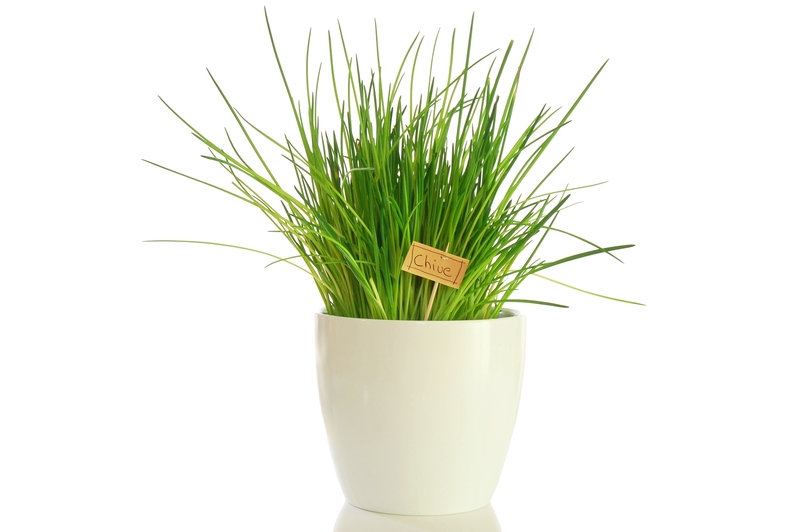
- Ready to become part of the green gardening revolution? Start with a single pot of herbs, join a community garden, or experiment with vertical farming techniques.
- Share your knowledge. Teach others, advocate for green spaces, and spread the word online and offline about the power of gardening.
In the story of our planet's future, the power of gardening may just be the revolution that turns the tide toward sustainability, health, and hope.
Latest Posts
Master the Art of Hedge Trimming: Shapes and Techniques
Crafting the Perfect Garden Seating Retreat
Discover the art of container gardening