
 020 3744 3778
Discover the secrets to cultivating a thriving herb garden
Posted on 24/05/2025
Discover the Secrets to Cultivating a Thriving Herb Garden
Herb gardening has witnessed a remarkable resurgence among home gardeners, urban dwellers, and culinary enthusiasts alike. Whether you're a seasoned horticulturist or a complete beginner, mastering the art of cultivating a thriving herb garden brings a wealth of rewards - from aromatic culinary delights to natural remedies and stunning green landscapes. In this comprehensive guide, you'll discover the secrets to growing flourishing herbs, learn practical strategies for herb garden care, and unlock the potential of your homegrown herbs.
Why Start Your Own Herb Garden?
Before diving into the expert tips and cultivation secrets, it's essential to understand why growing your own herb garden is so rewarding:
- Fresh Flavors: Nothing compares to the vibrant taste of freshly picked basil, rosemary, or mint in your cooking.
- Cost-Effective: Growing your own herbs saves money compared to buying fresh herbs at supermarkets.
- Therapeutic Value: Gardening relieves stress and fosters a connection with nature.
- Sustainable Living: Reduces food miles and reliance on plastic packaging.
- Health Benefits: Herbs are packed with antioxidants, vitamins, and medicinal properties.
The Foundations of a Thriving Herb Garden
1. Choosing the Perfect Location
Sunlight is one of the most critical factors for successful herb gardening. Most culinary herbs require at least 6-8 hours of direct sunlight per day to grow vigorously and develop their signature aromas. If you have limited outdoor space, a sunny windowsill or balcony can work wonders for a small herb garden.
- South-facing spots are ideal for maximum sunlight exposure.
- Consider raised beds or vertical planters to maximize available space.
- If growing indoors, use grow lights to supplement natural sunlight, especially in winter.
2. Selecting the Right Herbs
Begin by assessing your culinary preferences, climate, and available space. The best herbs for beginners include:
- Basil - Perfect for Italian dishes, salads, and pestos.
- Mint - Versatile for teas, cocktails, and desserts.
- Chives - Mild onion flavor, great for garnishing.
- Parsley - Essential for salads and garnishes.
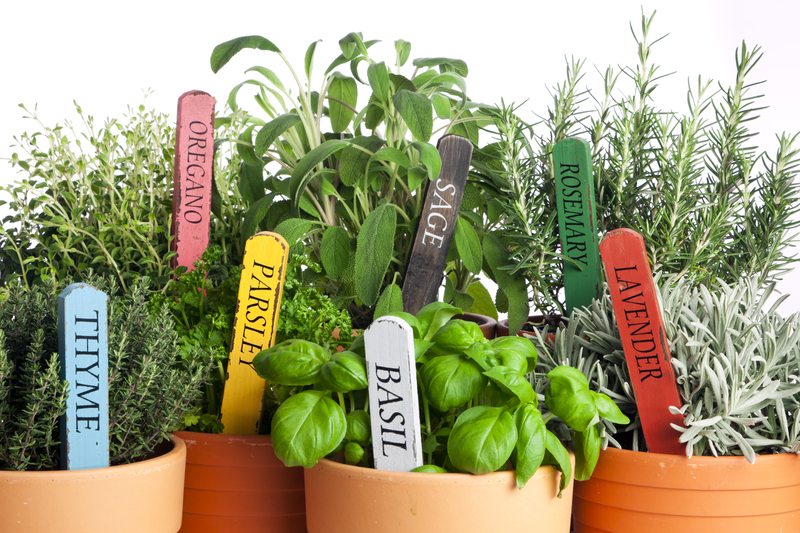
- Thyme, rosemary, and oregano - Mediterranean herbs that thrive in warm, sunny spots.
- Cilantro - A staple in Latin and Asian cuisine.
Advanced gardeners can experiment with more unusual herbs like lemon balm, tarragon, or lovage to diversify their herb garden.
3. Soil Preparation: The Root of Success
Well-draining, nutrient-rich soil is the foundation of a thriving herb garden. Most herbs dislike "wet feet," so avoid heavy clay soils that retain water. Enhance your soil by:
- Mixing in organic compost or well-rotted manure before planting.
- Testing pH levels - most herbs prefer a neutral to slightly alkaline soil (pH 6.0-7.5).
- Using raised beds or containers with drainage holes to prevent waterlogging.
Proven Secrets to Growing Healthy Herbs
4. Planting Techniques for Success
Timing is everything! Some herbs, like basil and parsley, can be started from seed indoors 6-8 weeks before the last frost. Woody herbs such as rosemary and thyme are often best purchased as young plants (seedlings or cuttings).
- Follow seed packet instructions for depth and spacing.
- Don't overcrowd: Ensure good air circulation to reduce disease risk.
- Transplant seedlings outside after all danger of frost has passed.
5. The Art of Watering and Feeding
Overwatering is a common mistake. Allow the top inch of soil to dry between waterings:
- Morning watering helps prevent fungal diseases.
- Use mulch to retain moisture and suppress weeds, but avoid piling mulch against herb stems.
- Feed with organic liquid fertilizers (like seaweed or fish emulsion) every 4-6 weeks, but avoid over-fertilizing, which can reduce essential oil production and flavor.
6. Pruning and Harvesting
Regular pruning is a key secret to cultivating a productive herb garden. Pinch back new growth to promote bushier plants and delay flowering. Harvest early in the day for peak aroma and before the plant flowers for the best flavor.
- Basil and mint: Prune above a set of leaves.
- Woody herbs: Snip stems but leave at least two-thirds of the plant intact for regrowth.
Never harvest more than one-third of a plant at once to allow for healthy regrowth and ongoing harvests.
Crafting Your Ideal Herb Garden Layout
7. Companion Planting Strategies
Some herbs grow better together, while others may compete for resources. Strategic companion planting deters pests, enhances flavors, and maximizes your garden's productivity.
- Basil thrives near tomatoes and protects them from aphids.
- Chives and garlic repel destructive insects from leafy greens.
- Thyme pairs well with strawberries, improving fruit health.
- Avoid planting mint with other herbs in small spaces - it's an aggressive spreader! Grow it in a separate container.
8. Vertical and Indoor Herb Gardens
If you're short on space or live in an apartment, don't despair! Vertical gardening, windowsill planters, and even hydroponic setups are innovative options for growing herbs indoors all year round:
- Wall-mounted planters transform unused vertical space.
- Self-watering window boxes simplify care and reduce the chance of forgetting to water.
- Hydroponic herb gardens offer rapid growth and eliminate soil-borne pests.
Sustainable Herb Garden Care
9. Pest and Disease Management
Preventing problems is easier than treating them later. The best defense against pests and disease is healthy plants and good garden hygiene.
- Inspect regularly for signs of aphids, slugs, and fungal spots.
- Encourage natural predators (like ladybugs) and practice crop rotation each season.
- Practice organic pest control methods: neem oil, insecticidal soap, or garlic spray.
10. Season Extension and Winter Care
To ensure your herb garden thrives year-round, bring pots indoors before frost, or grow perennial herbs that tolerate colder weather (think sage or thyme). Use cloches, cold frames, or row covers for outdoor beds to protect sensitive herbs during chilly months.
Remember to reduce watering in winter, as growth slows down and overwatering can lead to root rot.
Maximizing Your Herb Harvest and Uses
Proper Storage Strategies
To preserve your bounty:
- Dry herbs by hanging bundles upside down in a warm, airy space.
- Freeze chopped herbs in ice cube trays with a bit of water or olive oil for easy access.
- Infuse oils or vinegars for culinary and medicinal uses.
Creative Ways to Use Homegrown Herbs
- Culinary Delights: Add fresh basil to pasta, mint to mojitos, or rosemary to roasted veggies.
- Herbal Teas: Brew chamomile, lemon balm, or mint for soothing beverages.
- Natural Remedies: Harness the healing properties of sage or echinacea for homemade salves and tinctures.
- Crafts and Gifts: Create fragrant sachets, bath salts, or natural cleaning products.
Common Mistakes to Avoid in Herb Gardening
Even seasoned gardeners encounter challenges. Here are critical mistakes to avoid when starting your own herb patch:
- Overcrowding: Poor air flow increases disease risks. Space appropriately.
- Too much fertilizer: Herbs prefer less nutrient-rich soil for stronger flavors.
- Neglecting pruning: Leads to leggy, underproductive plants.
- Planting mint directly in beds: Always use containers to avoid spreading!
- Poor light: Herbs stretch and weaken in shade - prioritize sunniest spots.
Expert Secrets for a Thriving Herb Garden
Here are some little-known tips and tricks that can take your herb gardening to the next level:
- Rotate your herbs annually to prevent soil-borne diseases and keep nutrients balanced.
- Combine herbs with similar water and light needs in the same container.
- Pinch off flower buds if you want herbs to keep producing leaves instead of going to seed.
- Try growing microgreens or sprouts from your favorite herbs indoors for a nutritious boost year-round.
- Introduce a few flowers like calendula or nasturtium to attract pollinators and beneficial insects.
Conclusion: Embrace the Journey to Herb Garden Success
Cultivating a thriving herb garden doesn't require a green thumb - just a bit of guidance, patience, and curiosity. By following the secrets and expert techniques outlined in this guide, you'll experience the immense satisfaction of nurturing your own fragrant, healthy herb garden. Whether you're growing basil on a sunny balcony or designing an elaborate kitchen garden, the rewards - fresh flavors, vibrant aromas, and a deeper connection with nature - are truly priceless.
So roll up your sleeves, get your hands dirty, and discover the joy of growing herbs. Your culinary creations, home remedies, and living spaces will flourish with every leaf and stem you harvest on this green-fingered adventure.
Frequently Asked Questions on Cultivating a Thriving Herb Garden
Q1: Which herbs are easiest for beginners to grow?
Basil, mint, chives, parsley, oregano, and thyme are hardy, forgiving, and ideal for new gardeners.
Q2: How can I keep my indoor herb garden healthy?
Ensure your herbs receive plenty of light (ideally 6+ hours per day), water only when needed, and rotate pots for even growth. Indoor grow lights are excellent in winter months.
Q3: Can I grow a herb garden year-round?
Absolutely! With the right setup - including containers, grow lights, and cold frames - you can harvest herbs no matter the season.
Q4: How do I prevent my herbs from becoming woody and flavorless?
Regular pruning and harvesting encourages fresh, tender growth. Pinch off flowers immediately to prevent herbs like basil and mint from going to seed and getting bitter.
Start Your Herb Gardening Adventure Today!
Discover the secrets to cultivating a thriving herb garden and transform your home, kitchen, and lifestyle with every green leaf you grow. Let your journey begin now!
Latest Posts
Master the Art of Hedge Trimming: Shapes and Techniques
Crafting the Perfect Garden Seating Retreat
Discover the art of container gardening