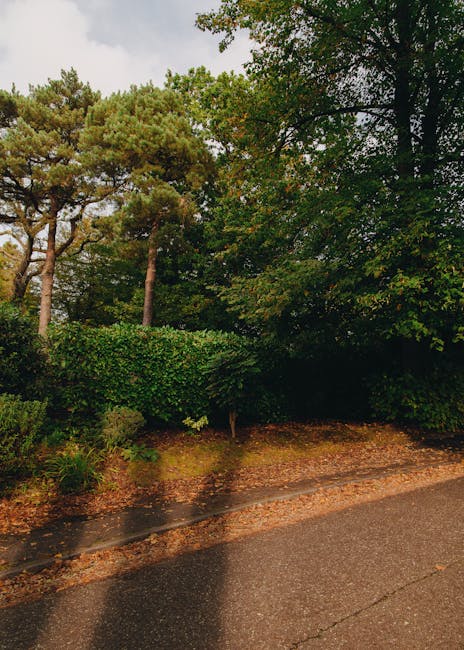
Common problems with driveway access for Noak Hill gardeners
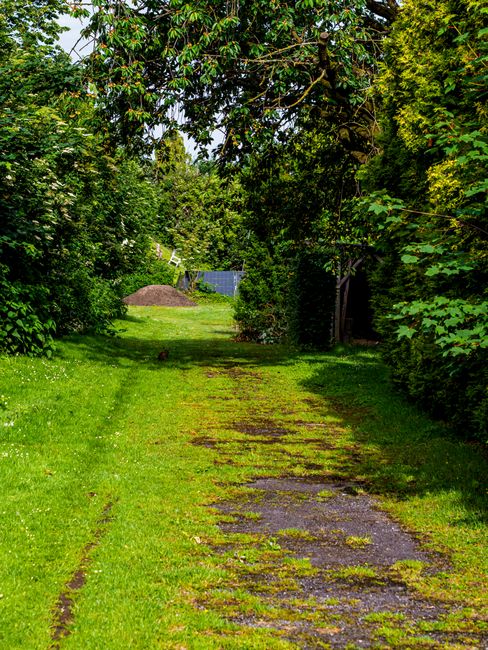
If you've ever watched a gardener arrive in a van that is just a touch too wide, too tall, or too awkwardly loaded for your driveway, you'll know the feeling. It's one of those small practical issues that can derail a job before it even begins. Common problems with driveway access for Noak Hill gardeners are rarely dramatic on their own, but they can slow the work down, create awkward handovers, and sometimes add avoidable cost or risk.
In Noak Hill, access can be shaped by narrow lanes, shared entrances, soft verges, tight turning points, long paths, and garden layouts that look simple from the front but are a bit of a puzzle once you're on site. Truth be told, the difference between a smooth visit and a frustrating one is often made in the first two minutes. This guide breaks down the real access problems gardeners run into, why they matter, and what you can do to make life easier for everyone involved.
You'll also find practical steps, a comparison table, a checklist, and a few useful links to services and advice pages on this site, including gardening services, landscaping support, and insurance and safety information.
Why Common problems with driveway access for Noak Hill gardeners Matters
Driveway access is not just about whether a van can get near the front gate. It affects the whole rhythm of the visit. Can tools be unloaded safely? Is there room to turn? Will wheelbarrows pass without bumping into cars, planters, or low walls? Those questions matter because gardening work often involves bulky kit, soil bags, mowers, hedge trimmers, ladders, and green waste that needs to be moved out again.
When access is poor, even a simple task can become fiddly. A lawn cut that should take an hour may stretch longer if equipment has to be carried from the road. Hedge trimming may be perfectly manageable, but the clean-up becomes a slog if cuttings need to be ferried in multiple trips. And if rain has softened the ground, a narrow access route can turn into a muddy slip hazard very quickly. That's the reality, and it's a bit less glamorous than the glossy before-and-after photos. Still, it's important.
For customers, better access planning usually means fewer surprises. For gardeners, it means less strain, fewer damaged plants, lower risk of accidental scuffs to walls or paving, and a clearer idea of how long the work will take. That makes the whole arrangement more efficient and more professional. If you're comparing quotes, access is one of those hidden variables that can quietly affect value.
It also matters locally in Noak Hill because properties can vary so much. Some homes have generous driveways and side passages; others have tight frontage, shared access, or a long carry from vehicle to garden. The trick is not to assume the site will "just work". It might. But a quick check up front is what saves the headache later.
How Common problems with driveway access for Noak Hill gardeners Works
At ground level, driveway access is about the route from the public road to the area where work begins. In practice, that route has to support people, equipment, and materials without unnecessary delay or risk. Most gardeners will think in terms of five things: width, turning space, surface condition, gate or side passage clearance, and parking/loading options.
Here's how it usually plays out. A gardener arrives, assesses whether the vehicle can stop safely, and checks whether tools can be unloaded close to the job. If the driveway is too narrow or the turning space is awkward, the vehicle may have to park on the road. If the route to the garden is long, steep, or uneven, the crew will spend more time moving materials back and forth. If there's a locked gate, a low arch, a shared path, or a blind corner, access can become slow even if it's technically possible.
Sometimes the issue is not the driveway itself but what sits on it. Family cars, bins, bikes, trailers, and builders' materials can leave no workable space. In other cases, the driveway surface may be cracked, gravelly, wet, or soft, which makes trolleys and wheelbarrows difficult to use. A surface that looks fine to walk on may still be a poor fit for loaded garden equipment. It's a small detail, but small details are exactly where delays hide.
Gardeners often adapt by bringing smaller tools, using protective sheets, or planning a different unloading point. That flexibility helps, but it works best when the access problem has been flagged in advance. A quick photo of the entrance can save a lot of guesswork, honestly.
Key Benefits and Practical Advantages
Sorting driveway access early brings benefits that are easy to feel on the day, even if they're not always obvious on paper.
- Smoother arrival: the gardener knows where to park, unload, and start work without circling around or blocking neighbours.
- Less risk of damage: narrow routes, tight corners, and low walls are where scratches and knocks happen.
- Better time estimates: once access is understood, the job can be planned more realistically.
- Safer handling of heavy items: fewer long carries reduce strain and trip hazards.
- Cleaner finish: waste removal is easier when there's a sensible route back to the vehicle.
- More accurate quotes: access conditions can influence labour time and the amount of manual handling required.
There is also a less obvious advantage: confidence. A homeowner who knows the driveway situation has been considered tends to feel more relaxed. A gardener who knows what to expect can work more steadily. That matters more than people think.
If your project involves regular upkeep rather than a one-off tidy-up, access becomes even more valuable. Ongoing work like garden maintenance or lawn care is much easier to schedule when the arrival and unloading routine is simple and repeatable.
Who This Is For and When It Makes Sense
This topic matters to more people than you might expect. Homeowners with compact front drives, shared access paths, or busy family parking arrangements will find it especially useful. So will landlords, property managers, and anyone arranging regular garden visits for a larger plot or a home with awkward entry points.
It also makes sense if your garden work involves anything more than light trimming. Heavy pruning, hedge cutting, hedge waste removal, tree work, patio washing, or landscaping can all bring extra gear. Services such as hedge trimming in Noak Hill, tree surgery, patio cleaning, and landscaping tend to be more sensitive to access than a quick hoeing session.
If you're arranging work for a garden that hasn't been maintained for a while, access can become harder than expected because of overgrowth. Overhanging branches, thorny hedges, self-seeded weeds, and clutter can all narrow the usable route. In that case, the right starting point may be a conversation about clearing the access path before the main job begins. If that sounds familiar, the article on reviving an abandoned garden is a helpful companion read.
And if you're a gardener yourself, this is for you too. Because the best jobs are the ones where you arrive prepared, not the ones where you're improvising with a wheelbarrow and a prayer.
Step-by-Step Guidance
Here's a simple way to handle driveway access before the work starts. Not fancy. Just effective.
- Measure the obvious pinch points. Check the width of the driveway, gate, side passage, and any narrow bends. If a van or trailer is expected, think about mirror clearance too.
- Look at the turning space. Can a vehicle stop safely without blocking traffic? Is there room to reverse out without a multi-point shuffle?
- Check the surface condition. Gravel, mud, moss, broken slabs, and steep ramps all affect how easily tools and waste can be moved.
- Note what may need moving first. Cars, bins, bikes, plant pots, storage boxes, and children's toys are classic access blockers. Small things, big impact.
- Identify the best unloading point. This might be the driveway, the curb edge, a side gate, or even a rear access point. Pick the least awkward option, not the nearest-looking one.
- Share photos before the visit. A couple of pictures of the gate, path, parking area, and garden entrance can clarify more than a paragraph of description.
- Plan waste movement. If a job will produce a lot of cuttings, soil, or branches, think about the route back to the vehicle as carefully as the route in.
- Review the route after the first visit. If a regular job keeps hitting the same bottleneck, tweak the plan for next time.
A small note from experience: the route that looks "fine" on a dry day can feel completely different after a week of rain. So if the forecast is soggy, be a bit more cautious than usual. No one enjoys skating a mower over wet paving. Nobody.
Expert Tips for Better Results
Most access problems are manageable once you know what you're looking at. These are the habits that make the biggest difference.
- Keep the drive clear before the team arrives. If possible, move vehicles, bins, and garden clutter the day before, not five minutes before.
- Use a temporary staging area. A flat section of drive or patio can be used to set down tools safely before work begins.
- Protect edges and delicate surfaces. Old paving, timber edging, and decorative borders can be vulnerable where equipment passes close by.
- Think about the return journey. Getting materials into the garden is only half the story. Getting waste back out is where many jobs slow down.
- Choose lighter methods where possible. For example, smaller cuts, staged loading, or hand-carrying delicate materials may work better than forcing bulk movement.
- Trim access blockers early. Overgrown hedges and shrubs can squeeze a route just enough to become annoying. A bit of hedge trimming guidance can help you understand why that matters.
One more thing: if your garden design is still flexible, it can be worth planning access into the layout itself. A slightly wider path, better gate positioning, or a more practical storage location can make future upkeep far easier. That is one of those quiet improvements people thank themselves for later.
For households with specific needs, such as pets or children, access planning should also consider safety and containment. The routes that work for a gardener might not be ideal for a dog, scooter, or pushchair. If that sounds familiar, have a look at creating a dog-friendly garden oasis and designing outdoor space for kids for some useful perspective.
Common Mistakes to Avoid
Most access issues are predictable once you've seen a few of them. The common mistakes are usually practical rather than dramatic.
- Assuming a van will fit because a car does. A compact car and a loaded work van are very different beasts.
- Forgetting about height as well as width. Low branches, arches, and canopies can be as troublesome as narrow gates.
- Leaving parking plans until the day. That often leads to blocked neighbours, rushed unloading, or extra walking back and forth.
- Ignoring surface conditions. Loose gravel, wet slabs, and stepped entries can turn a normal trip into a slow one.
- Not mentioning access changes. If builders, deliveries, or scaffolding have altered the route, say so early.
- Overlooking waste removal. A job can go smoothly and still become awkward at the end if cuttings cannot be moved out easily.
Sometimes the mistake is simply thinking access problems are "not worth mentioning". But they are. A two-minute conversation can prevent a forty-minute faff later. It really can.
Tools, Resources and Recommendations
You do not need specialist kit for every access challenge, but the right basics make a proper difference.
- Measuring tape: useful for checking gates, paths, and vehicle clearance.
- Phone camera: a few clear photos can be more helpful than a long explanation.
- Wheelbarrow or garden trolley: helpful where a direct vehicle-to-garden route is not possible.
- Protective sheets or matting: useful for keeping dirt off paving and reducing wear on sensitive surfaces.
- Good lighting for early or late visits: especially handy in winter when the light disappears quickly.
- Outdoor gloves and sturdy footwear: basic, but they matter when paths are narrow or slippery.
For general kit advice, the article on essential gardening tools every outdoor lover needs is a sensible place to start. If your route is exposed to wind, the guide to handling gusty conditions in your garden may also be useful, because strong wind can make carrying sheets, cuttings, and lightweight tools a bit of a wrestling match.
And if the job is likely to generate a lot of organic waste, it helps to think in advance about composting, loading, or removal. The guide on transforming organic waste into fertile soil is a good reminder that waste is not always waste.
Law, Compliance, Standards and Best Practice
Driveway access is usually a practical matter first, but it can touch on safety and responsible working practices. In the UK, gardeners and property owners generally need to think about safe access, safe manual handling, and avoiding unnecessary obstruction. That means clear routes, sensible loading, and care around the public highway if parking or unloading is involved.
Where a visit creates risk, good practice is to reduce it rather than hope for the best. For example, if access involves a steep slope, slippery paving, or a tight turn beside a wall, the safer method may be to split loads, use lighter equipment, or choose a different parking point. The details will vary, but the principle is simple: do not force a route that feels unsafe.
Insurance matters too. If a job involves repeated movement through a constrained driveway, it is wise to understand what cover is in place and what expectations apply. A service page like insurance and safety can help set that out in plain English. It is also worth checking related policies such as health and safety policy, terms and conditions, and payment and security so everyone knows how the work is arranged.
For clients who need extra reassurance about service standards, the company pages on about us, complaints procedure, and accessibility statement can help set expectations. That may sound dry, but in real life it keeps things smoother. Nobody likes confusion when a job is already physically awkward.
Options, Methods or Comparison Table
There is rarely one "best" way to handle driveway access. The right approach depends on the site, the job size, and how much movement is involved.
| Method | Best for | Pros | Trade-offs |
|---|---|---|---|
| Direct driveway unloading | Wide, clear drives with enough turning room | Fast, efficient, minimal carrying | Not suitable where space is tight or cars are in place |
| Street-side parking with hand carry | Narrow drives or limited stopping space | Flexible and often workable | More manual handling, slower waste removal |
| Wheelbarrow or trolley route | Long gardens or rear access | Good for repeated transfers | Needs a stable, navigable path |
| Split-load method | Heavy jobs with awkward access | Reduces strain and slip risk | Takes longer and needs better coordination |
| Pre-clear access path | Overgrown or cluttered entrances | Improves safety and speeds everything up | Requires a bit of prep before the visit |
As a rule of thumb, the more awkward the access, the more valuable it is to reduce load size and simplify the route. It sounds obvious, but it's easy to forget in the rush.
Case Study or Real-World Example
Here's a typical Noak Hill scenario. A homeowner books hedge work and general tidy-up for a front and back garden. The driveway looks serviceable, but there are two family cars parked on it, a recycling bin near the gate, and a side path that narrows around a brick corner. On paper, it seems manageable. In reality, the first team member ends up carrying tools from the roadside, then the waste route back becomes a little slow because the gate only opens partway before catching on a climbing plant.
Nothing catastrophic. No drama. Just friction.
By the second visit, the homeowner has moved the cars, cleared the gate area, and trimmed back the plant growth by a few inches. The same job now starts cleanly, the vehicle stops closer, and the waste load goes out in fewer trips. The work itself is no different, but the access change makes the whole day calmer and more efficient. That is the sort of improvement people feel immediately.
In situations like this, access planning can also influence what type of service is recommended. A job that seems perfect for one long session may work better as a staged visit if the route is tight. That applies to lawn mowing, patio cleaning, and even smaller-scale jobs where equipment needs to move repeatedly. If in doubt, it is better to ask early than to guess.
Practical Checklist
Use this before a gardener arrives, or before you quote a job that might have awkward entry points.
- Is the driveway clear of parked cars, bins, and other obstacles?
- Can a van stop safely without blocking the road?
- Is the driveway wide enough for equipment to pass without scraping?
- Are there low branches, arches, or overhangs to watch for?
- Is the surface stable, dry enough, and safe for trolleys or wheelbarrows?
- Is the gate fully openable, and does it latch or stick?
- Do you know the best route for bringing waste back out?
- Have you shared photos or measurements if the site is awkward?
- Has weather made the access route more slippery than usual?
- Are children, pets, or neighbours likely to affect loading or unloading?
If you can tick most of those off, you are in good shape. If not, no panic. You just need a slightly better plan.
Get a free quote today and see how much you can save.
Conclusion
Common problems with driveway access for Noak Hill gardeners are usually small on their own, but together they can shape the whole day. Narrow entrances, blocked parking, slippery surfaces, long carries, and overgrown gateways all add friction. The good news is that most of it is fixable with a bit of planning.
Start by looking at the route the way a gardener would: not just "can I get in?", but "can I unload safely, work efficiently, and leave without stress?" Once you begin to think that way, the right solutions become obvious. Clear the space, measure the pinch points, share photos, and plan the waste route. Simple stuff, really - but it saves a lot of hassle.
If you want a more straightforward visit, better quotes, and fewer surprises on the day, access planning is one of the best places to begin. And that's a reassuring thought, because a garden job should feel organised, not complicated. Just a bit of care up front makes everything easier.
Frequently Asked Questions
What are the most common driveway access problems for gardeners in Noak Hill?
The usual issues are narrow driveways, blocked parking, awkward turning space, low branches, long carries to the garden, and surfaces that become slippery or uneven in wet weather.
Should I clear my driveway before the gardener arrives?
Yes, if you can. Moving cars, bins, bikes, and garden clutter beforehand helps the visit start smoothly and reduces the chance of delays or accidental damage.
Do gardeners need to park on the driveway, or can they work from the road?
Either can work depending on the site. Roadside parking is often fine for short visits, but it may increase carrying time and make waste removal a bit slower.
How do I measure whether my driveway is wide enough?
Measure the narrowest part of the route, not just the widest. Also check gate openings, bends, and any overhanging features that could reduce usable space.
Can poor driveway access affect the price of gardening work?
It can, because awkward access often means more manual handling, slower setup, and extra time moving tools or waste. A clear site usually makes quoting easier too.
What should I send if my garden access is difficult?
A few photos of the driveway, gate, side passage, and garden entrance are often the most helpful thing. Short notes about parking restrictions or locked access also help.
Is poor access a problem for hedge trimming and tree work?
Yes, often more than people expect. Those jobs can involve larger tools, ladders, and bulkier waste, so tight access can affect both safety and speed.
What if my driveway is gravel or uneven?
That is usually manageable, but it can make moving trolleys and heavy tools harder. Gardeners may choose a different unloading point or use lighter carry methods.
Does weather make driveway access worse?
Absolutely. Wet paving, mud, ice, or soft ground can change how safe the route is, especially during colder or wetter spells. A dry route one week may be awkward the next.
Can access issues be solved with better garden design?
Often yes. Wider paths, smarter gate placement, tidier storage, and better planting layout can all make future maintenance easier. Small design choices can save a lot of effort later.
What is the best way to avoid misunderstandings about access?
Be direct early. Share measurements, photos, and any parking rules before the job begins. Clear communication nearly always prevents the awkward surprises.
Where can I find more information about services and policies?
You can read more about garden services, pricing and quotes, and health and safety guidance. If you still have questions, the contact page is the best place to ask.